Describe the Impact of the Slave Trade on Benin
JAMES GRAHAM Northwestern University Evanston The Slave Trade Depopulation and Human Sacrifice in Benin History The General Approach Crucinxions human sacrifices and every horror the eye could get accustomed to to large extent but the smells no white internal economy could stand Blood was everywhere smeared over bronzes ivory and even the walls Such was the. Identify the effects of the slave trade on the culture of Benin it turned a brilliant and creative society into a corrupt and brutal place.
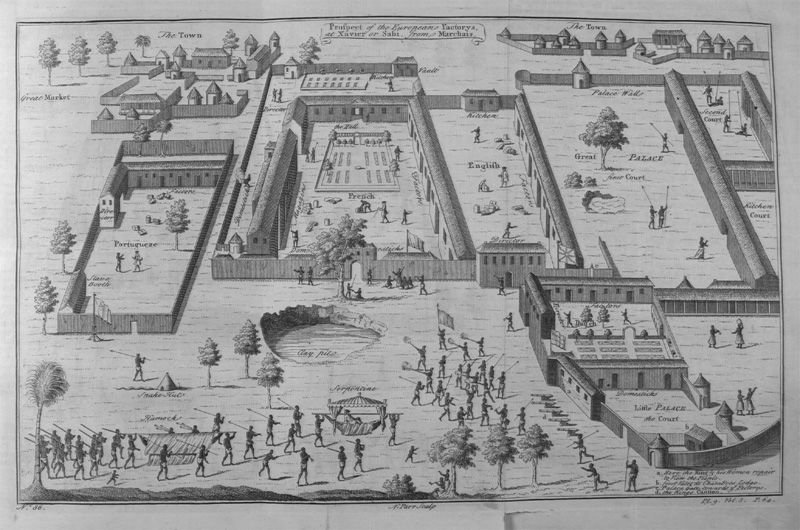
Ouidah Slavery And Remembrance
The slaves exported were predominantly war captives and were drawn from the entire area of modern Benin including northern peoples such as the Bariba as well as communities near the coast.

. But these overall age and sex ratios tended to mask sharp changes over time with both the ratio of males and of children rising through the centuries. Therefore it may be said that the history of the Benin Bronzes is closely connected to the slave trade and that these beautiful pieces of art were made possible by. The slaves were usually men women and children from rival tribes gagged and jammed into boats bound for Brazil Haiti and the United States.
This badly disrupted both the cultures and the economies of the African nations. Benins history is indelibly linked to the slave trade. The impact on Benin from the slave trade was bad.
Missionaries were also expelled. Describe the ways in which the legacy of the trans-Atlantic slave trade is causing tensions in modern-day Benin. Slaves became the principal trade goods acquired by Europeans and foreign male prisoners and eventually citizens of Benin itself were also sold abroad.
The benefit derived from trading slaves for European goods was enough to make the Kingdom of Benin rejoin the trans-Atlantic slave trade after centuries of non-participation. It should be noted that Miller attempts to distinguish between sheer demographic impact and all other kinds of influence mostly institutional and his. The kingdom of Oyo around 300 kilometers 190 miles inland was the most successful of these kingdoms.
Slave traders rounded up men women and children at times trapping them. Although the slave trade formed part of the Benin-European trade in general its influence proved particularly strong in the two areas of demography and morality. The slave trade led to the depopulation of the inland areas from which people were taken away for sale.
The trans-Atlantic slave trade is causing tenssions in mordern day Beinin as people that suffered from the slave trade hated the people who were in charge of it and the people who were in charge of it dont want to acknowledge it. For over 200 years powerful kings in what is now the country of Benin captured and sold slaves to Portuguese French and British merchants. Benin began to lose power during the 1800s as royal family members fought for.
In the heyday of the slave trade Benin. The Kingdom of Benin is the greatest example of the positive impact of European goods that were exchanged for slaves. These were brought to the Benin Empire by European traders and were usually exchanged for slaves.
At the same time in the past the Benins history of slavery misrepresented by. The Impacts Of The African Slave Trade History Essay. The demographic impact on Africa.
They would capture men women and children from rival peoples and sell them into slavery to European and American buyers. The country is now trying to heal the rifts still keenly felt in society. From the 1640s four inland states near the Gulf of Guinea were growing in wealth and power from the slave trade.
Slavery was carried out in various parts of the world and mainly in some parts of Africa Asia Europe and America. Slave trade was at the highest during the period at which Americans were under the colonial powers of the European states. The Atlantic slave trade had severely weakened the military of Benin and greatly decreased the population over time which Benin has never fully recovered from leading to strikes and protests being a consistent problem in modern day Benin.
This isolated Africans from their homeland and alienated them from their mother cultures and traditions. 105 Curiously Miller concludes that the slave trade had a marginal impact on the level of population west-central Africa despite his convincing and overwhelming array of data to the contrary. This trade provided a significant source of wealth for the kingdom.
In this way they refused to participate in the transatlantic slave trade. Local leaders sold their war prisoners to European traders. The slave trade left a devastating impact on Africans in Africa and also in Diaspora which are outlined as follows.
It was bad because people were enslaved leading to a decrease in the population. These tended to be mostly males just under two-thirds of the total migration stream whose age and sex is known and three-quarters were adults. And for more than 200 years the main commodity they traded was people.
Benin a history of province which provides prodigious information about the rich values of an ancient cultures. First the slave trade took away millions of Africans men more than women in the prime of their lives. Benins conflict over slavery is particularly intense.
Europeans carried out their slave trade extensively. It benefited from terrain sufficiently unforested and free of the tsetse fly and other. The Kingdom of Benin for instance participated in the African slave trade at will from 1715 to 1735 surprising Dutch traders who had not expected to buy slaves in Benin.
The Kingdoms of Oyo Dahomey and Asante. They gained access to them through local African merchants at slave markets on the African coast. The people of Benin lost faith in their gods their art deteriorated and human sacrifice became more common.
As we know it was targeted by the unhappy act of slave trade. The Atlantic slave trade had a substantial and deleterious impact in Benin causing the depopulation of certain areas as well as a general militarization of society. In the early modern era Benin was also heavily involved in the West African slave trade.
It destroyed African homes and separated families through forceful removal. See Way of Death 1659. Benin became a trade hub for the Portuguese but in the reign of Oba Esigie in 1530 Benin began an embargo a total ban of the export of all slaves from its port after seeing the effects of the slave trade on their workforce and society.
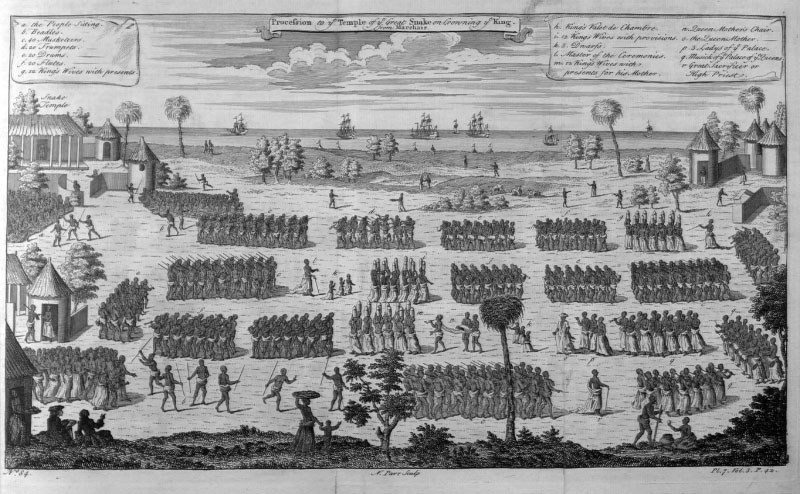
Ouidah Slavery And Remembrance
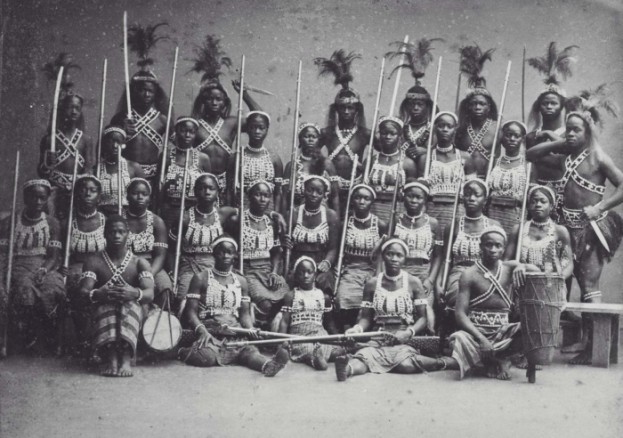
The History Of The Kingdom Of Dahomey Black History Month 2022
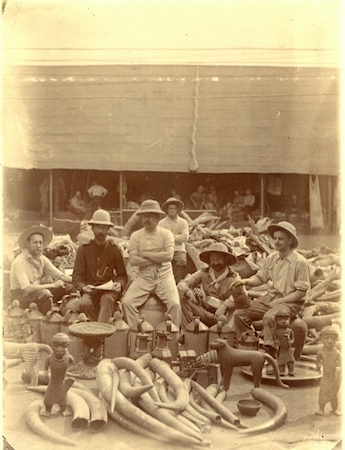
The Kingdom Of Benin Article Nigeria Khan Academy
No comments for "Describe the Impact of the Slave Trade on Benin"
Post a Comment